Comprehensive Guide to Airline Cargo Rates: Unlocking Efficiency in International Shipping
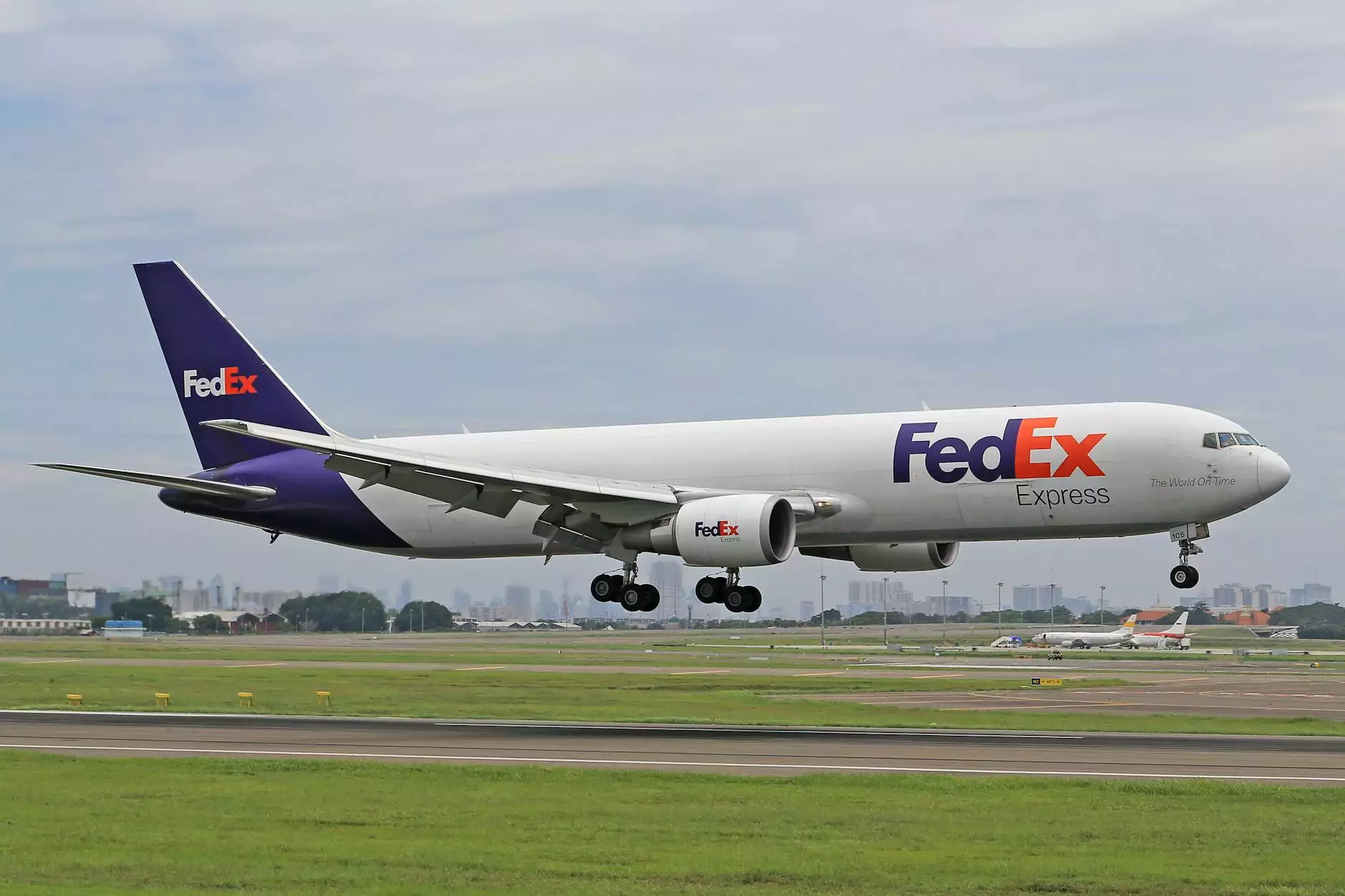
In the increasingly interconnected world of global commerce, the cost and efficiency of shipping goods play a crucial role in business success. One of the key factors influencing these aspects is the airline cargo rates, a complex yet vital component of international logistics. This guide dives deep into understanding airline cargo rates, how they are determined, their impact on business operations, and strategies to optimize shipping costs through effective logistics management.
Understanding Airline Cargo Rates: An Essential Pillar of Global Trade
Airline cargo rates refer to the fees charged by airlines for transporting goods via air freight. These rates are dynamic, influenced by various factors including market demand, fuel prices, aircraft capacity, seasonal fluctuations, and logistical costs. For businesses involved in shipping large quantities or high-value items, understanding and negotiating these rates can lead to significant cost savings and enhanced competitiveness.
The Components that Influence Airline Cargo Rates
Determining airline cargo rates involves multiple components. Recognizing these elements enables shippers to plan better and make informed decisions. The main components include:
- Weight and Volume: Airlines typically charge based on either weight (kilograms or pounds) or volumetric size. The greater of the two determines the billable weight, emphasizing the importance of efficient packaging.
- Distance: The farther the destination, the higher the shipping cost due to increased fuel consumption and operational expenses.
- Fuel Surcharges: Fluctuating fuel prices significantly impact cargo rates. Many airlines incorporate fuel surcharges as a flexible component to cover these costs.
- Seasonality: Peak seasons like holidays or certain industries' busy periods can cause rates to surge due to high demand and limited capacity.
- Type of Cargo: Special cargo such as perishables, hazardous materials, or oversized items often incurs premium charges due to additional handling or safety measures.
- Market Competition and Capacity: The level of competition among airlines and available cargo space can influence rates—more competition often leads to better rates for shippers.
- Service Level: Express services, priority handling, or dedicated aircraft can command higher rates compared to standard freight options.
The Evolution of Airline Cargo Rates in Global Logistics
The landscape of airline cargo rates has evolved considerably over the decades, shaped by geopolitical shifts, technological advances, and market dynamics. Historically, rates were relatively stable, but the rise of e-commerce, rapid globalization, and unprecedented events like the COVID-19 pandemic have caused volatility. Airlines and logistics providers now rely heavily on data analytics and dynamic pricing models to adapt quickly to market changes, enabling better cost management and service customization for shippers.
Why Competitive Airline Cargo Rates Matter to Your Business
Reducing transportation costs while maintaining reliable delivery timelines is fundamental for businesses engaged in international trade. Competitive airline cargo rates offer several benefits:
- Cost Savings: Lower freight costs directly improve profit margins, especially for high-volume shipments.
- Pricing Flexibility: Reduced shipping expenses allow competitive pricing strategies, attracting more customers.
- Faster Delivery Time: Air freight remains one of the quickest shipping methods, critical for perishable or time-sensitive goods.
- Market Expansion: Cost-effective air logistics open avenues into new markets with minimal lead times and competitive pricing.
- Supply Chain Resilience: Reliable and predictable shipping costs contribute to a resilient supply chain capable of responding swiftly to disruptions.
Strategies for Optimizing Airline Cargo Rates
Businesses aiming to enhance their shipping profitability must adopt strategic approaches. Here are several proven techniques to optimize airline cargo rates:
1. Consolidate Shipments for Bulk Shipping
Pooling shipments reduces overall weight and volume, often leading to discounted rates. Grouping smaller consignments or sharing space with other shippers can unlock economies of scale.
2. Negotiate Long-term Contracts
Building relationships with airlines or freight forwarders and signing long-term agreements can secure preferential rates, priority booking, and additional services.
3. Accurate Packaging and Weight Management
Optimizing packaging to reduce volumetric weight and avoid dimensional surcharges is essential. Use lightweight, space-efficient packaging materials to maximize cost-effectiveness.
4. Leverage Technology and Data Analytics
Utilize advanced freight management software and market intelligence tools for real-time rate comparison, capacity tracking, and predictive analytics to optimize booking timing and routes.
5. Explore Alternative Routes and Carriers
Sometimes, unconventional routing or different carriers may offer better rates or delivery times. Flexibility in routing can lead to cost savings.
6. Focus on Supply Chain Visibility and Tracking
Enhanced visibility allows for better planning, reduces delays, and minimizes unforeseen costs, thus maintaining budget control over airline cargo rates.
The Role of Cargobooking.aero in Securing Competitive Airline Cargo Rates
At cargobooking.aero, we specialize in connecting businesses with the best logistics solutions, including favorable airline cargo rates. Our platform offers:
- Access to a Wide Network of Airlines and Freight Partners: Ensuring you get the most competitive rates for your shipments.
- Real-time Rate Comparison: Empowering businesses to make informed decisions instantly.
- Streamlined Booking Processes: Simplifying complex logistics operations with user-friendly interfaces.
- Dedicated Customer Support: Offering strategic advice and custom solutions tailored to your shipping needs.
Future Trends in Airline Cargo Rates
Looking ahead, several trends are expected to influence airline cargo rates:
- Digital Transformation: AI-driven pricing and booking tools will continue to optimize rates and capacity management.
- Sustainability Initiatives: Airlines investing in fuel-efficient aircraft and eco-friendly practices may affect operational costs and rates.
- Market Volatility: Geopolitical tensions and global economic shifts will sustain some level of rate fluctuation, reinforcing the need for dynamic pricing strategies.
- Enhanced Service Offerings: Premium and specialized services will create tiered rate structures, giving options aligned with specific business requirements.
Conclusion: Navigating the Complex World of Airline Cargo Rates
In today’s fast-paced global market, a thorough understanding of airline cargo rates is indispensable for businesses seeking cost-effective, reliable, and efficient shipping solutions. By staying informed about the factors influencing rates, adopting strategic logistics practices, and partnering with innovative platforms like cargobooking.aero, companies can unlock significant competitive advantages.
Remember, optimizing your logistics costs isn’t just about securing low rates—it’s about strategic planning, market awareness, and leveraging technology to create seamless, resilient supply chains that drive your business forward in an interconnected world.
airline cargo rates


