Revolutionizing Urban Maintenance: How 3D Printing is Elevating the Production of Street Cleaning Machines
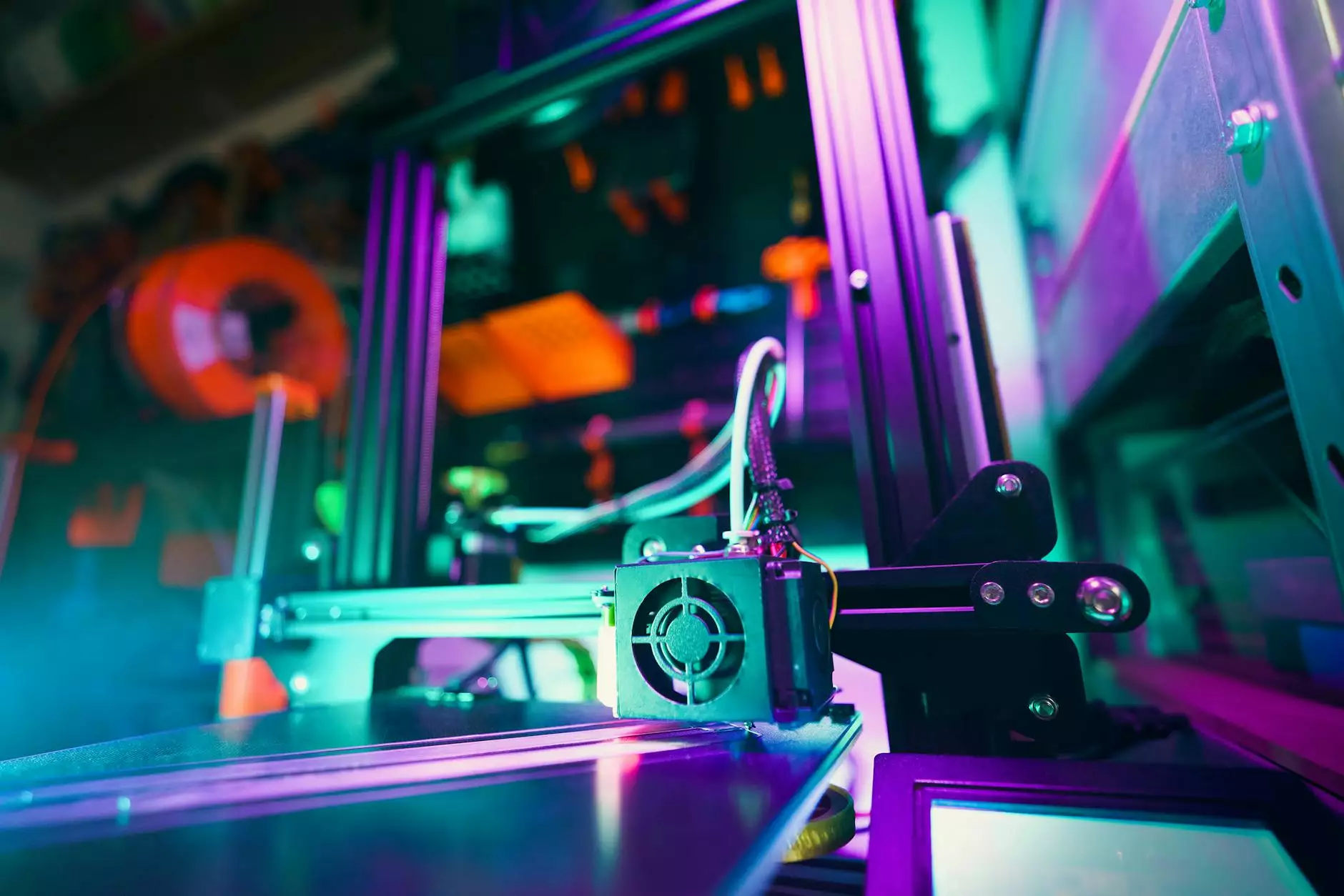
In the rapidly evolving landscape of modern business and urban infrastructure management, the integration of 3D printing technology stands out as a groundbreaking development. Companies like ceksansweepers.com are pioneering this innovative approach to manufacture high-quality street cleaning machines that meet the demanding needs of cities, municipalities, and private entities worldwide. This comprehensive article explores the profound impact of 3D printing on the industry, shedding light on the technological advancements, benefits, and future prospects that are redefining how urban cleaning solutions are designed, produced, and maintained.
Understanding the Power of 3D Printing in Manufacturing
3D printing, also known as additive manufacturing, involves creating physical objects from digital models by layering materials with precision and speed. This revolutionary process allows manufacturers to:
- Reduce production time significantly compared to traditional manufacturing methods.
- Enhance customization capabilities, enabling tailored solutions for unique urban environments.
- Minimize waste by utilizing only the necessary raw materials.
- Accelerate innovation through rapid prototyping and iterative design processes.
In the context of street cleaning machines, 3D printing paves the way for creating complex components that are otherwise difficult or costly to produce with conventional techniques, resulting in superior performance and durability.
Transforming the Design and Production of Street Cleaning Machines
Advanced Customization for Diverse Urban Needs
Municipalities and private companies face a wide array of cleaning challenges depending on urban architecture, traffic density, and environmental conditions. 3D printing enables manufacturers like ceksansweepers.com to produce highly customized street cleaning machines that address specific needs such as narrow alleys, large open streets, or specialized debris removal. This flexibility ensures optimal cleaning efficiency and prolonged machine lifespan.
Rapid Prototyping and Iterative Development
Traditional manufacturing processes often involve lengthy lead times when developing new equipment. Conversely, 3D printing allows engineers to quickly develop prototypes, test them in real-world scenarios, and make rapid improvements. This iterative process accelerates innovation cycles, resulting in cleaner, more effective street cleaning machines that stay ahead of evolving urban demands.
Reducing Costs and Lead Times
By utilizing additive manufacturing, manufacturers can bypass complex tooling and mold-making procedures, which are often costly and time-consuming. This reduction in upfront investment translates to cost savings that can be passed on to clients, making advanced street cleaning machines more accessible across various market segments.
Materials and Sustainability in 3D-Printed Street Cleaning Equipment
Modern 3D printing utilizes a variety of high-performance materials, such as reinforced thermoplastics, composites, and metals, which are ideal for durable, weather-resistant components in street cleaning machines. Moreover, the environmental benefits are significant:
- Material efficiency: Less raw material waste means a smaller environmental footprint.
- On-demand production: Reduces overproduction and inventory waste.
- Recyclability: Many 3D printing polymers are recyclable, supporting sustainable manufacturing initiatives.
This approach aligns with global sustainability goals, ensuring that urban maintenance equipment is not only effective but also environmentally responsible.
Enhancing Maintenance and Repair with 3D Printing
One of the key advantages of integrating 3D printing into the lifecycle of street cleaning machines is simplified maintenance and repair. Instead of waiting weeks for spare parts, companies can produce replacement components on-site or locally, drastically reducing downtime. This capability leads to:
- Faster response times for repairs during critical cleaning operations.
- Cost-effective spare parts production that eliminates the need for bulk inventory.
- Extended equipment lifespan through timely and precise repairs.
Case Studies: Success Stories in 3D Printing & Street Cleaning Technologies
Leading industry players have already begun harnessing 3D printing for high-impact results. For instance:
- CekSan Sweepers, through innovative design and localized manufacturing, has developed specialty components that enhance their street cleaning machines to operate seamlessly in both urban and industrial zones.
- Some municipal agencies have partnered with 3D printing firms to produce custom nozzles, brushes, and control modules, resulting in improved cleaning efficiency and reduced operational costs.
- Startups are introducing 3D printed modular machines that can be easily adapted and upgraded as urban needs evolve, reducing environmental waste and increasing flexibility.
The Future of 3D Printing in Urban Cleaning Technologies
Looking ahead, the role of 3D printing in manufacturing street cleaning machines will grow exponentially with advancements in:
- Material science: Development of even stronger, lighter, and more sustainable materials.
- Automation integration: Combining 3D printing with robotics for fully autonomous cleaning systems.
- Smart manufacturing: Utilizing AI-driven design optimization for efficient component production.
- Global accessibility: Expanding 3D printing facilities worldwide to meet local demands quickly and efficiently.
This convergence of technology promises a future where urban sanitation infrastructure is not only more effective but also adaptable, cost-efficient, and environmentally conscious.
Why Choose a Business Partner Specializing in 3D Printed Street Cleaning Machines?
Collaborating with a forward-thinking manufacturer like ceksansweepers.com offers numerous benefits, including:
- Cutting-edge innovation with latest 3D printing techniques and materials.
- Customized solutions tailored to specific urban environments and operational needs.
- Faster product development cycles to keep pace with market dynamics.
- Sustainable manufacturing practices supporting environmental responsibility.
- Comprehensive after-sales support and maintenance services for longevity.
Final Insights: Embracing 3D Printing for a Cleaner, Smarter Future
The integration of 3D printing technology into the manufacturing of street cleaning machines is transforming the landscape of urban sanitation. By enabling customized designs, reducing costs, and enhancing maintenance, it helps cities and companies operate more efficiently, sustainably, and responsively. Businesses that invest in this innovative approach position themselves at the forefront of the industry, embracing a future where environmental responsibility and technological excellence go hand in hand.
As urban centers continue to grow and evolve, the need for smarter, more adaptable cleaning solutions will only increase. Partnering with a company like ceksansweepers.com, which leverages 3D printing to develop state-of-the-art street cleaning machines, ensures that your business or municipality stays ahead of the curve, delivering cleaner, healthier environments for all.