Elevating Your Business Spaces with Expert Commercial Architects
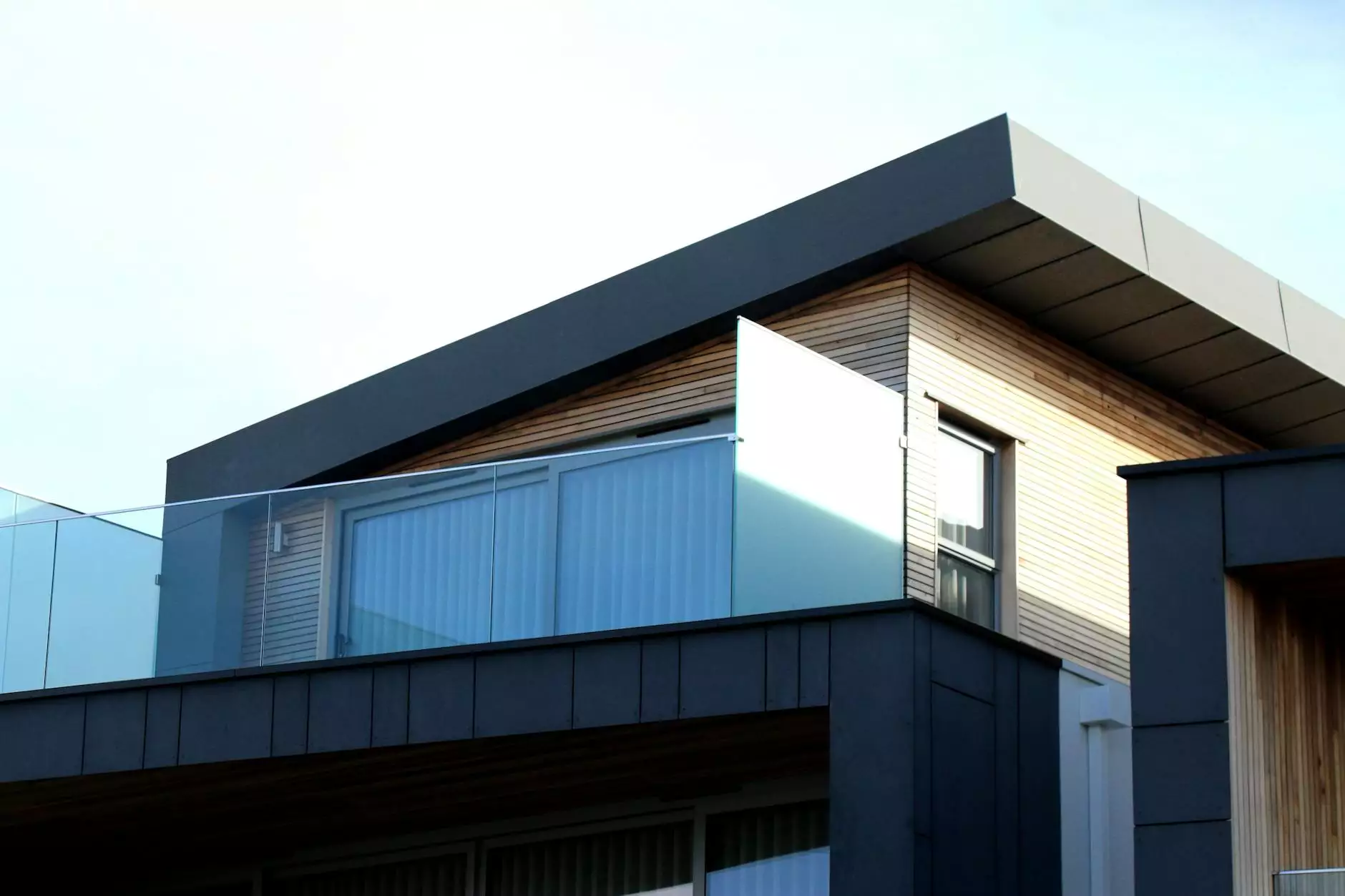
The role of a commercial architect is pivotal in creating business spaces that are not only functional but also inspiring. In today’s competitive market, the design of your commercial premises can significantly influence your brand perception, employee productivity, and overall success. This article delves into the essence of commercial architecture and its profound impact on business operations.
Understanding Commercial Architecture
Commercial architecture encompasses the design and construction of buildings used for commercial purposes. This includes offices, retail spaces, restaurants, and more. A successful commercial architect combines creativity with technical knowledge to deliver functional spaces that meet the needs of businesses and their clients.
The design process involves several stages, including:
- Concept Development: This phase involves brainstorming ideas and conceptualizing the layout and look of the space.
- Site Analysis: Assessing the location and its surroundings is crucial for proper design adaptation.
- Sustainable Design: Incorporating green building practices to reduce environmental impact.
- Local Compliance: Ensuring that designs meet zoning laws and building codes.
- Client Collaboration: Frequent communication with clients to ensure the project aligns with their vision.
The Importance of Interior Design in Commercial Architecture
Interior design is a crucial component of commercial architecture. It plays a significant role in shaping the atmosphere of a workspace. Good interior design enhances the functionality of a space and creates an inviting environment for both employees and clients.
Key Benefits of Exceptional Interior Design
- Enhancing Aesthetics: Visually appealing environments can improve employee satisfaction and encourage creativity.
- Boosting Productivity: Thoughtfully designed workspaces promote efficiency by facilitating collaboration and minimizing distractions.
- Brand Representation: Interior design can reflect your brand identity, making a lasting impression on visitors.
- Creating Comfort: A well-designed interior provides comfort, ensuring that employees are happy and productive.
How a Commercial Architect Works to Transform Business Spaces
A skilled commercial architect works closely with business owners to understand their needs, goals, and the nature of their operations. This collaborative process allows architects to create custom solutions tailored to specific business models. Here are some key steps involved in the transformation process:
- Understanding Business Operations: The architect conducts a thorough analysis of how a business operates to optimize the layout.
- Space Planning: Effective space planning is essential for maximizing functionality and ensuring smooth workflows.
- Technical Drawings: Detailed drawings and models are created to visualize the proposed designs.
- Materials Selection: Choosing the right materials that align with the business’s values and aesthetics.
- Project Management: Overseeing the construction process to ensure adherence to design specifications.
Incorporating Sustainability in Commercial Architecture
With growing concerns about environmental impact, sustainable design has become an integral part of commercial architecture. Sustainable commercial buildings are designed to minimize energy consumption, reduce waste, and utilize eco-friendly materials.
Benefits of Sustainable Commercial Architecture
- Reduced Operating Costs: Energy-efficient designs lower utility bills significantly.
- Improved Public Image: Companies that prioritize sustainability often enjoy a boost in reputation.
- Employee Satisfaction: Green buildings contribute to healthier work environments.
- Regulatory Compliance: Many regions now mandate sustainable practices in commercial construction.
Case Studies: Successful Commercial Architecture Projects
Let's examine a few successful projects that showcase the significant impact of effective commercial architecture.
Case Study 1: Modern Co-Working Space
In a burgeoning urban area, a startup company required an office that fostered collaboration and creativity. The architects conducted a space analysis and developed an open-plan concept. They incorporated:
- Flexible Workstations: Adaptable desks that can be rearranged for team projects.
- Secluded Pods: Areas for private calls or concentrated work.
- Natural Lighting: Maximized sunlight exposure through large windows.
The result was a vibrant work environment that significantly boosted employee engagement and productivity.
Case Study 2: Retail Store Redesign
A prominent retail brand sought to revamp its store to enhance customer experience. The commercial architect reimagined the layout by:
- Creating Flow: A natural flow from entry to checkout improved customer movement.
- Engaging Displays: Innovative product displays that drew attention and encouraged exploration.
- Comfort Areas: Seating for customers to relax and enjoy their shopping experience.
This redesign led to a measurable increase in foot traffic and sales conversion rates.
Working with the Right Commercial Architect
The success of your commercial space largely hinges on choosing the right commercial architect. Here are some considerations to keep in mind:
- Portfolio Review: Examine previous projects to understand their style and expertise.
- Client Testimonials: Feedback from past clients can provide insight into their process and reliability.
- Communication Skills: An architect needs to be communicative and receptive to client feedback.
- Budget Considerations: Ensure the architect can work within your budget while delivering quality results.
- Expertise in Sustainability: As sustainability becomes more vital, choose an architect knowledgeable in eco-friendly practices.
The Future of Commercial Architecture
As we look to the future, several trends are shaping the field of commercial architecture:
- Smart Technology Integration: Buildings are increasingly incorporating IoT devices for better efficiency.
- Post-Pandemic Design: Spaces are adapting for better health protocols and remote work.
- Sustainable Practices: The emphasis on green buildings will continue to grow.
- Adaptive Reuse: Transforming existing buildings for new purposes will become more popular.
Conclusion
Engaging a talented commercial architect can transform your business space into a hub of productivity and creativity. Through innovative design and a deep understanding of business needs, architects can enhance not only the functionality of a space but also its ability to represent and elevate your brand. By investing in quality architectural services, you position your business for long-term success in a competitive marketplace.
Explore how sthcons.com can help you achieve your business architectural dreams. Whether you’re looking for cutting-edge design ideas or sustainable building strategies, the right commercial architect will make all the difference in creating a space that works for you.