Understanding CT Scans for Lung Cancer: Importance, Procedure, and Benefits

Lung cancer is one of the leading causes of cancer-related deaths globally, making early detection and accurate diagnosis paramount. Among the various methods employed in the diagnosis of lung cancer, the CT scan for lung cancer has emerged as a critical tool in the medical field. This article explores the significance of CT scans in diagnosing lung cancer, detailing the procedure, benefits, and advancements in imaging technology. Here at Hello Physio, we emphasize the importance of understanding such medical procedures for better health outcomes.
What is a CT Scan?
A CT scan, or computed tomography scan, is an advanced imaging technique that uses X-rays to create detailed cross-sectional images of the body. Unlike traditional X-rays, which provide a two-dimensional view, CT scans offer three-dimensional insights. This technology has been pivotal in identifying various health concerns, particularly in the diagnosis of lung cancer.
Why are CT Scans Important in Lung Cancer Diagnosis?
The importance of a CT scan for lung cancer cannot be overstated. Here are several key reasons why:
- Early Detection: CT scans are highly sensitive and can detect small tumors that may not be visible through regular imaging techniques.
- Accurate Diagnosis: They provide detailed images that can help differentiate between benign and malignant growths.
- Staging of Cancer: CT scans assist in determining the stage of lung cancer, crucial for planning treatment.
- Monitoring Treatment: They are useful for monitoring the effectiveness of treatment and detecting any recurrence of cancer.
- Guidance for Biopsies: CT imaging can guide healthcare professionals during biopsy procedures, ensuring accurate tissue sampling.
The CT Scan Procedure
Understanding the procedure involved in a CT scan can help alleviate concerns for patients. Here's how the process typically unfolds:
1. Preparation
Before undergoing a CT scan, patients may need to follow specific preparatory steps, such as fasting for a few hours or adjusting medications. It's essential to discuss any health concerns with your physician prior to the scan.
2. During the Scan
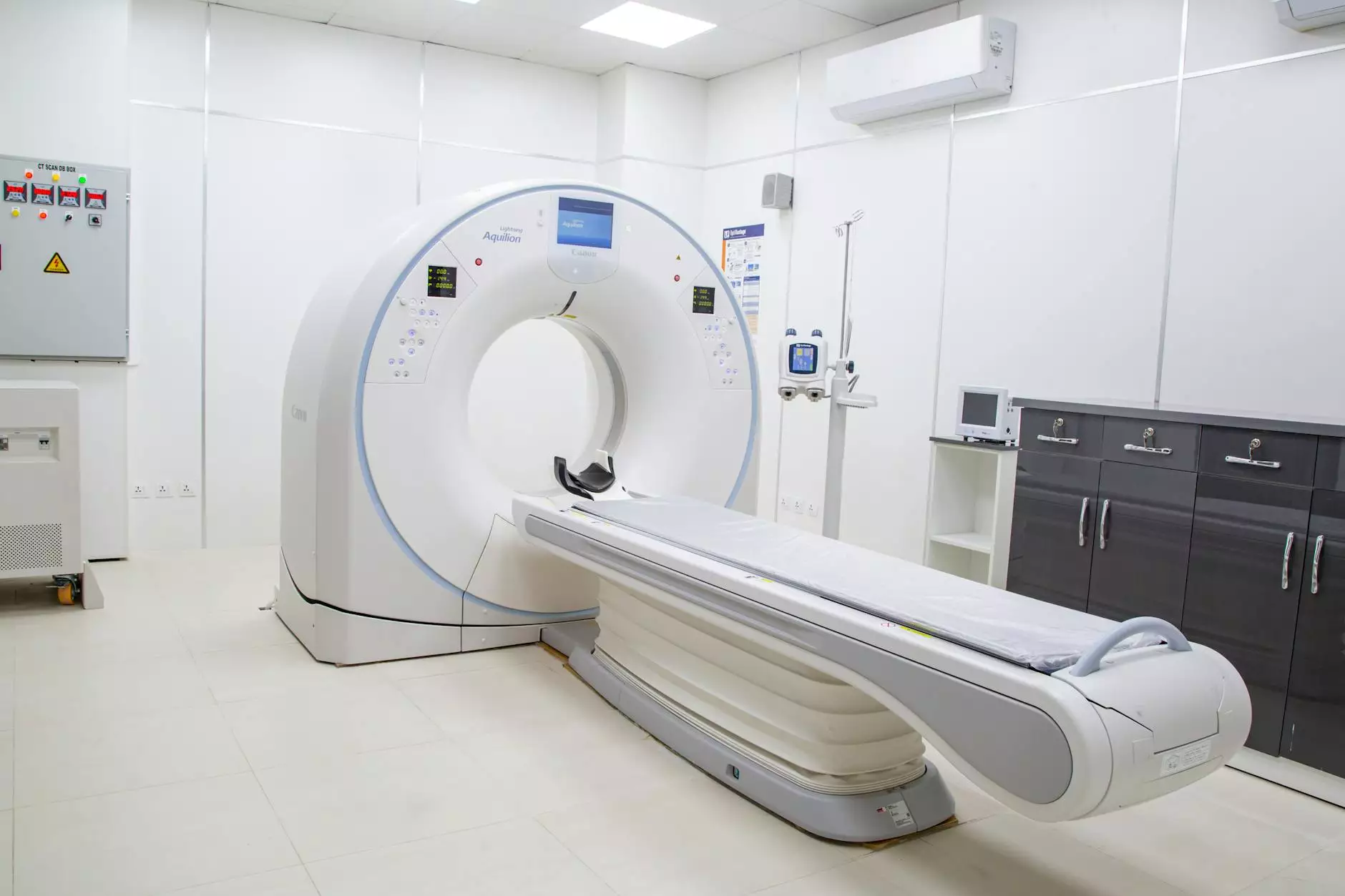
The procedure itself is relatively quick, often taking less than 30 minutes. Patients lie on a comfortable table that slides into a large, doughnut-shaped machine. During the scan:
- The patient must remain still to ensure clear images.
- The technician may provide instructions to hold breath briefly while scanning.
- A contrast dye may be administered either orally or through an IV to enhance image clarity.
3. After the Scan
Following the CT scan, patients can resume normal activities. The images are reviewed by radiologists who will prepare a report detailing the findings, which will be shared with the patient's healthcare provider.
Benefits of CT Scans in Lung Cancer Screening
The advantages of utilizing CT scans for lung cancer screening extend beyond mere diagnosis. Here are key benefits:
- High Sensitivity: CT scans can detect lung cancer at much earlier stages compared to standard chest X-rays.
- Detailed Imaging: They offer detailed views of the lungs, lymph nodes, and surrounding tissues, improving the overall understanding of disease spread.
- Personalized Treatment Planning: With precise staging information provided by CT scans, oncologists can tailor treatments to the individual patient's needs.
- Non-invasive: CT scans are non-invasive, minimizing risks and allowing for quick results without the need for surgical procedures.
Risk Factors Associated with CT Scans
While CT scans are invaluable in lung cancer diagnosis, it is important to be aware of potential risks, especially concerning radiation exposure. However, the benefits of early detection generally outweigh the risks associated with the procedure:
- Radiation Exposure: CT scans do expose patients to higher doses of radiation compared to traditional X-rays. Nonetheless, modern CT technologies have reduced this exposure significantly.
- Contrast Reactions: In some cases, patients may experience allergies to the contrast dye used during the scan. Alternatives can be discussed with healthcare providers.
Innovations in CT Imaging Technology
The field of imaging technology is continuously evolving, leading to enhancements in CT scans for lung cancer detection:
- Low-Dose CT Scans: Advanced techniques allow for lower doses of radiation while retaining high image quality, making scans safer for repeat use.
- 3D Reconstruction: New software advancements enable the reconstruction of images into three-dimensional views, providing better visualization of complex structures.
- AI and Machine Learning: Artificial intelligence is increasingly being incorporated into CT analysis, assisting radiologists in identifying tumors and anomalies with greater accuracy.
Conclusion: The Role of Hello Physio in Lung Cancer Diagnosis and Management
At Hello Physio, we prioritize holistic health approaches, encompassing diagnostic services and patient-centered care. Understanding and leveraging modern diagnostic tools like the CT scan for lung cancer is vital for timely detection and effective treatment.
The integration of advanced technology, precision medicine, and dedicated healthcare professionals ensures that patients receive the best possible outcomes in their fight against lung cancer. If you or someone you know is at risk, consider discussing the benefits of CT scans with a qualified healthcare provider.
In summary, the importance of CT scans in lung cancer diagnosis cannot be emphasized enough. Early detection leads to better treatment options, improved quality of life, and, ultimately, higher survival rates. Consult with our experts at Hello Physio to learn more about how we can assist in cancer screening and management.