Comprehensive Guide to Fake Canadian Currency and Its Impact on the Business of Fake Money
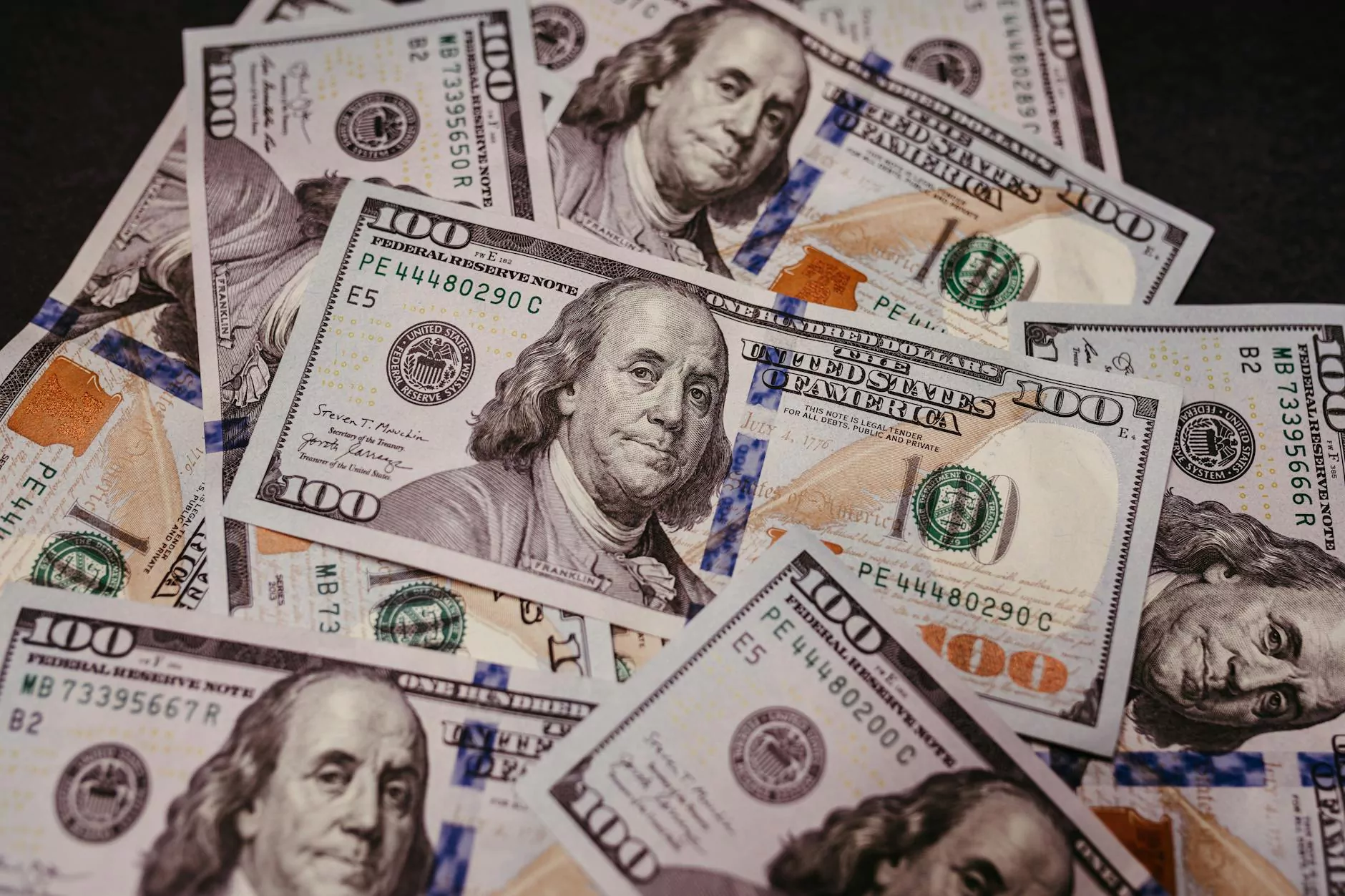
The landscape of counterfeit currency, especially fake Canadian currency, presents a unique intersection of technological innovation, legal challenges, and business opportunities within the broader fake money industry. In this extensive guide, we delve deeply into the origins, characteristics, and implications of fake Canadian currency, providing valuable insights for entrepreneurs, collectors, law enforcement, and consumers alike.
Understanding Fake Canadian Currency: An Overview
At its core, fake Canadian currency refers to counterfeit bills that mimic genuine Canadian banknotes issued by the Bank of Canada. These counterfeit notes vary in sophistication—from rudimentary reproductions to highly advanced forgeries equipped with cutting-edge anti-counterfeit features. The production and distribution of fake Canadian currency pose significant challenges to the national economy and security, yet they also create opportunities within the niche industry of fake money.1
Historical Context and Evolution of Fake Canadian Currency
Counterfeiting has existed for centuries, evolving alongside advances in printing technology and security features. Initially, counterfeiters relied on crude methods, but modern counterfeiters employ sophisticated techniques, making detection increasingly difficult. Notably, the evolution of fake Canadian currency reflects a broader trend in the fake money industry that adapts quickly to advancements in currency security features.
Key Features and Differences Between Genuine and Fake Canadian Currency
To effectively recognize and understand fake Canadian currency, one must familiarize themselves with the security features embedded in authentic banknotes. These features include:
- Holographic strips and patches: Genuine notes feature iridescent holograms that change appearance with viewing angle.
- Transparent windows: In high-denomination bills, transparent areas with embedded security elements are standard.
- Color-shifting ink: Certain elements, like the numeral denomination, shift color when tilted.
- Raised ink/textured printing: Tactile features that can be felt by touch.
- Microprinting and fine lines: Difficult to replicate accurately, yet often poorly reproduced in fake notes.
- UV features: Elements visible only under ultraviolet light.
Counterfeit notes often lack these details or improperly reproduce them, making detection possible with careful examination or specialized tools.
The Production of Fake Canadian Currency
The manufacturing process of fake Canadian currency involves various stages, including:
- Design and digital reproduction: Counterfeiters scan or digitally recreate banknotes, aiming for high fidelity.
- Printing: Using advanced printers, often offset or laser, to mimic the visual qualities of authentic notes.
- Incorporation of security features: Fake notes may incorporate cheap substitutes for genuine security elements or entirely omit them.
- Distribution: Circulated through illicit channels, sometimes into the black market or online platforms.
Despite technological challenges, counterfeiters continuously refine their techniques, sometimes using sophisticated equipment to produce high-quality fake Canadian currency.
Legal and Ethical Considerations Surrounding Fake Money
Engaging with or producing fake Canadian currency is strictly illegal and subject to severe penalties under Canadian law. The malicious intent behind counterfeit currency is to deceive and defraud, which undermines trust in financial systems and harms economic stability. It is crucial for businesses and consumers to understand the risks and legal implications associated with fake money:
- Legal penalties: Including fines, imprisonment, and asset forfeiture.
- Counterfeit deterrent measures: Governments employ advanced detection technologies and public awareness campaigns.
- Business ethics: Legitimate companies in the fake money industry operate within legal boundaries, focusing on replicas, educational purposes, or novelty items rather than criminal forgery.
Always remember that dealing with counterfeit currency without explicit authorization is unlawful and carries serious consequences.
The Role of Fake Money Businesses in the Industry
The *fake money* business encompasses a range of legitimate activities, including:
- Educational samples: Providing fake bills for training law enforcement and security personnel.
- Novelties and collectibles: Offering replicas for collectors, games, or marketing purposes.
- Film and theater props: Supplying realistic fake currency for entertainment productions.
- Law enforcement aid: Creating indistinguishable copies for testing currency detection devices.
Particularly, businesses like undetectedbanknotes.com specialize in producing high-quality fake Canadian currency strictly for legitimate and legal uses, emphasizing safety, accuracy, and adherence to laws.
How to Identify Authentic vs. Fake Canadian Currency
For businesses and individuals, safeguarding against fake currency involves rigorous identification methods:
- Visual inspection: Carefully examine security features and compare with official samples.
- Use of UV or infrared tools: To verify security elements only visible under specialized light.
- Touch and texture: Authentic notes have raised printing and textured elements.
- Magnification: Microprinting can be checked for clarity and accuracy.
- Validation devices: Employ counterfeit detection pens, currency readers, and scanners.
Effective detection not only prevents financial loss but also upholds the integrity of financial transactions and business reputation.
The Future of Fake Canadian Currency and Industry Trends
As security features evolve, *fake Canadian currency* becomes increasingly difficult to produce convincingly. The industry faces an ongoing arms race between security technology and counterfeiting techniques. Anticipated future trends include:
- Enhanced security features: More tamper-proof holograms, microtext, and integrated digital elements.
- Blockchain integration: New methods for verifying currency authenticity via digital ledgers.
- Legal online marketplaces: Strict regulation and oversight will be essential to prevent illegal trade of counterfeit items.
- Educational initiatives: Increased awareness programs about spotting genuine currency and understanding counterfeit risks.
Remaining updated on security innovations is vital for businesses in the fake money industry, especially those specializing in fake Canadian currency.
Conclusion: Navigating the Complex World of Fake Money with Confidence
The world of fake Canadian currency is complex and continually evolving. Whether for legitimate purposes such as training, novelty, or prop creation, businesses like undetectedbanknotes.com operate within strict legal frameworks, providing safe and high-quality products. Recognizing the nuances of counterfeit notes enhances security and maintains the integrity of financial transactions.
Remember, engaging with fake currency should always serve lawful and ethical purposes. Stay informed about security features, implement strict detection protocols, and collaborate with reputable suppliers. By doing so, you contribute to the safety and stability of financial systems while tapping into a niche industry with significant opportunities.
In today’s rapidly changing security environment, knowledge is your strongest tool against counterfeit threats. Whether you're a business owner, law enforcement officer, collector, or enthusiast, understanding fake Canadian currency and the broader fake money industry enables you to operate confidently and responsibly.
Sources and Further Reading:
- Bank of Canada Official Site
- Royal Canadian Mounted Police
- Secure Banknotes Technologies
- undetectedbanknotes.com